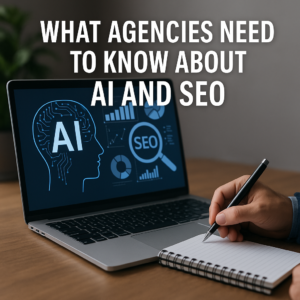

Introduction to Future SEO Strategies
SEO is a field that constantly shifts. To stay competitive, understanding new trends is essential. Looking ahead to 2026, adapting to emerging technologies and strategies will be key to maintaining good search engine rankings. This guide offers SEO tips to help you prepare for the future of search engine optimization.
At www.seos7.com, we recognize the difficulty of keeping up with SEO’s rapid evolution. We’ve created an SEO automation plugin for WordPress to audit, correct, refine, and expand your site on autopilot. Our platform provides AI-driven tools that ensure your website performs optimally.
Here’s what our plugin provides:
- Site Audit: AI-powered SEO health checks. It automatically scans every page on your WordPress site for over 16 SEO problems, such as missing meta descriptions and broken external links. Receive a real-time health score and watch issues get auto-fixed.
- Content Optimizer: Analyze and refine each article for peak performance. It provides a content score based on entity coverage, topic depth, and keyword relevance. AI analyzes your articles against top-ranking competitors and suggests improvements, then publishes directly to WordPress.
- Content Writer: Research, plan, and write SEO-optimized articles using AI. This complete content creation pipeline covers keyword research and competitor analysis to AI-generated drafts with featured images. Write articles that rank, then publish them to WordPress with one click.
- A/B Testing: Test titles and descriptions to improve your click-through rate. Create variants of page titles and meta descriptions, then let SEOS7 rotate and measure Google Search Console performance. Automatically declare winners based on CTR data, removing guesswork.
- Internal Links: Build internal links with AI semantic matching. AI scans your published posts, finds related pages, and suggests internal linking opportunities. Add links individually or auto-link all suggestions in bulk with contextual anchors and the right language.
- Image Optimizer: Auto-generate alt text and title tags for each image. Scan all images across your website and find those missing SEO-critical alt text and title attributes. AI generates descriptive, keyword-aware tags with one click, allowing you to refine individually or in bulk.
- IndexNow: Submit URLs for instant Google indexing. Connect to Google’s Indexing API directly and submit any page or post for immediate crawling. See all your pages in one table, track submission status, and bulk-index everything without waiting for Google to discover your changes.
- Annotations: Overlay SEO actions on Google Search Console metrics. See the impact of each change. SEOS7 tracks plugin actions like audits, fixes, and content updates, then overlays them on your GSC performance chart so you can see what improved performance.
- Client Reports: Generate branded PDF reports for your clients. Create SEO reports with your branding. Toggle modules on/off, including health scores, audit summaries, fix logs, GSC traffic data, internal links, and image optimizations, then export as a PDF with one click.
- AI-generated SEO recommendations and team task management: SEOS7’s AI engine analyzes your sites and generates prioritized SEO tasks, such as content improvements, technical fixes, and keyword opportunities. Assign tasks to team members, track progress, and export everything as CSV.
Our goal at www.seos7.com is to give you the tools to succeed in SEO. By automating processes and providing insights, we can help you reach your SEO goals more efficiently.
Ready to automate your SEO? Join WordPress sites using SEOS7 to audit, correct, and refine their SEO on autopilot. Automate Your SEO
Building a Strong Link Profile for SEO
A strong link profile is still a key part of effective SEO. Think of it as building trust with search engines. A good link profile tells Google and other search engines that your website is a useful and reliable source. This can improve rankings, increase organic traffic, and improve overall visibility.
A strong link profile has two main parts: internal linking and backlinks. Both help search engines understand your website’s structure and value.</
Internal and External Links: Connecting and Earning Trust
Internal linking means strategically connecting pages within your own website. This helps search engines crawl and index your site efficiently. It also distributes link equity across your pages. More importantly, it improves the user experience by guiding visitors to related content. Visitors stay engaged and explore your site more. Here’s how to refine your internal linking strategy:
- Link to Relevant Pages: Each link should add value. Each should guide users toward related information. Avoid linking without a reason. Every internal link should have a clear purpose.
- Optimize Anchor Text: Use relevant keywords in your anchor text. This signals the topic of the linked page to search engines. Avoid keyword stuffing, however. Aim for natural anchor text within the context.
- Use Topic Clusters: Organize your content around central pillar pages. Link to supporting cluster pages. This creates a strong linking structure. It also shows topical authority to search engines.
- Regularly Audit and Update: Review your internal links periodically. Make sure they are still relevant and working. Remove any broken links. Update links to reflect changes in your content.
Backlinks are links from other websites to yours. These links are like “votes of confidence.” They show that other websites find your content useful and trustworthy. Backlinks from respected websites are especially helpful. They can significantly improve your website’s credibility and search engine rankings. Here are some ways to build a strong backlink profile:
- Publish Original Research: Creating original research can attract backlinks. Surveys, studies, and reports can be cited by other websites.
- Engage with Guest Bloggers: Write articles for other websites in your industry. Guest blogging can reach a new audience. It can also earn backlinks to your website.
- Create High-Quality, Shareable Content: Develop content that is informative and visually appealing. Content like this is more likely to be shared and linked to by other websites.
- Monitor Your Backlink Profile: Check your backlink profile regularly. Identify and disavow any low-quality or spammy backlinks. These can hurt your website’s search engine rankings.
- Update Calls to Action: Make sure your calls to action are clear and compelling. A strong call to action can encourage other websites to link to your content.
Building a strong link profile requires time and effort. It is a worthwhile investment in your website’s SEO success over the long run. Focus on both internal linking and backlinks. You can then improve your website’s credibility, visibility, and organic traffic.
Here’s a quick recap of key actions:
- Consistently create high-quality, helpful content.
- Actively share your content across different platforms.
- Develop relationships with other website owners and bloggers.
- Check your backlink profile and disavow any harmful links.
- Keep up with the latest SEO practices.
By using these SEO tips, you can build a strong link profile. This will help your website succeed in search engine optimization.
Internal Linking with SEOS7
Internal linking is a key part of SEO. It helps search engines understand your site’s structure and spread link equity. Finding good internal linking opportunities manually can take time. However, AI can make this process easier, making sure your internal links are relevant and helpful.
Here’s how to improve your internal linking using AI-driven semantic matching:
- Semantic Analysis: AI algorithms examine the content of your pages to understand their meaning. This goes beyond just matching keywords. It finds related pages that might not use the same keywords but cover similar subjects.
- Automated Suggestions: Based on the semantic analysis, the AI suggests useful internal linking opportunities. These suggestions include relevant pages within your site and good anchor text to use for the links.
- Contextual Anchor Text: The AI finds anchor text within your content that fits the context. This makes the links natural and relevant to the surrounding text. It also helps search engines understand the topic of the linked page.
- Bulk Linking: Instead of adding each link by hand, you can add all suggested links at once. This saves time and makes sure your internal linking is consistent across your website.
- Individual Link Review: While bulk linking can save time, it’s important to check the suggested links individually. Make sure they are appropriate and useful for the user.
Using AI to automate and improve your internal linking can improve your site’s crawlability. It also spreads link equity better and increases user engagement. This can lead to better search engine rankings and more organic traffic.
Here is a table showing the benefits of AI-supported internal linking:
| Benefit | Description |
|---|---|
| Improved Crawlability | Helps search engines find and index your pages more easily. |
| Enhanced Link Equity Distribution | Spreads link authority across your site, improving the ranking potential of important pages. |
| Increased User Engagement | Gives users relevant and helpful links, keeping them interested and exploring your site more. |
| Time Savings | Automates the process of finding and adding internal links, saving you time. |
| Contextual Relevance | Makes sure that internal links are relevant to the surrounding content, improving user experience and SEO. |
By adding these SEO tips to your internal linking, you can create a stronger website. It will be well-optimized for both search engines and users.
Adapting to Search Generative Experiences (SGE)
Search Generative Experiences (SGE) and AI Overviews are changing how people use search engines. Instead of just showing a list of links, search engines now try to answer questions directly on the search results page. This change creates both challenges and opportunities for SEO professionals. Adapting to SGE is now a must for staying visible and getting traffic to your website.
Search Generative Experience (SGE) and SEO
Search Generative Experience (SGE) gives users AI-created summaries of information directly in search results. People could find answers without visiting a website. This might lower click-through rates, but it also offers a chance to appear in those AI summaries. Success requires content that AI algorithms can easily understand and summarize.
Focus on these areas:
- Bottom-of-the-Funnel Optimization: Refine your product and service pages, as well as other content designed to convert users ready to buy or act.
- E-commerce Readiness: Prepare for better e-commerce in search engines. Refine product listings with details, images, and prices.
- Traffic Tracking: Track traffic from search generative engines to measure SGE’s effect and find areas to improve.
Actionable SEO Tips for SGE
To succeed with SGE, consider these SEO tips:
- Focus on User Intent: Understand why people search and create content that meets those needs. Give clear answers to common questions.
- Structure Your Content: Use headings, bullet points, and formatting to make content readable. This helps AI extract key information.
- Use Schema Markup: Add schema markup to give search engines structured data. This helps them understand your pages.
- Create Detailed Content: While SGE favors concise answers, create content that covers all aspects of a topic. This increases your chances of appearing in AI summaries.
- Refine for “People Also Ask”: Find common questions in the “People Also Ask” section and answer them directly.
The Importance of Structured Data
Structured data, implemented through schema markup, helps search engines understand website content. Supplying structured data clarifies the content, making it easier to display in relevant search results and AI summaries.
Here’s a table illustrating the benefits of using structured data:
| Benefit | Description |
|---|---|
| Improved Search Engine Understanding | Helps search engines understand the context and meaning of your content. |
| Enhanced Search Result Display | Allows you to control how your content is displayed in search results, including rich snippets and other enhancements. |
| Increased Visibility in SGE | Increases your chances of being featured in AI-generated summaries and other SGE features. |
| Improved Click-Through Rates | More visually appealing and informative search results can lead to higher click-through rates. |
Staying Current with SEO Changes
Search Engine Generative Experience (SGE) exemplifies the ongoing shifts in SEO. Continuous tracking of website performance is key to staying ahead. Analyze SGE’s effects and adjust strategies accordingly. Analytics tools can monitor traffic, track rankings, and pinpoint areas needing work.
Embracing SGE and adapting SEO strategies ensures a website remains visible and relevant as search evolves.</
Prioritizing E-E-A-T
Google’s E-E-A-T (Experience, Expertise, Authority, and Trust) guidelines significantly affect search engine rankings. They influence how search engines evaluate web content. E-E-A-T reflects Google’s effort to present users with reliable information from trustworthy sources. Focusing on these guidelines is essential for strong search engine rankings.
Understanding E-E-A-T’s Core Elements
Each E-E-A-T element has its own significance. Here’s a breakdown:
- Experience: This refers to the author’s real-world experience with the topic. Content should demonstrate firsthand knowledge and practical insights. Have you actually *done* what you’re writing about? Show it.
- Expertise: Expertise signifies the author’s knowledge and skills in a particular field. Content should be accurate, well-researched, and demonstrate a deep understanding of the subject matter.
- Authority: Authority reflects the author’s and website’s reputation within their industry. Authority is earned through consistent creation of high-quality content, positive reviews, and mentions from other authoritative sources.
- Trust: Trust is the overall credibility and reliability of the author and website. Trust is built through transparency, accuracy, and a commitment to providing users with honest and unbiased information.
Strategies for Demonstrating Expertise, Experience, Authoritativeness, and Trustworthiness
To improve your website’s E-E-A-T, consider these actionable SEO tips:
- Highlight Human Authorship: Clearly identify the authors of your content. Provide information about their qualifications and experience. Use author bios, bylines, and profile pages to showcase their expertise.
- Tackle Real Challenges: Focus on creating content that addresses actual problems and provides practical solutions. Show your understanding of the challenges faced by your target audience.
- Add Author Bylines: Always include author bylines on your content to clearly identify the writer. This establishes accountability and allows users to assess the author’s credibility.
- Ensure Content Accuracy: Double-check all facts and figures. Cite your sources and provide evidence to support your claims.
- Be Transparent: Be upfront about your website’s ownership, policies, and practices. Provide clear contact information. Make it easy for users to get in touch.
- Get Third-Party Validation: Encourage reviews, testimonials, and endorsements from satisfied customers or clients. Positive feedback from others can significantly boost your website’s credibility.
Regularly conduct E-E-A-T audits to assess your website’s performance. An E-E-A-T audit means reviewing your content, author profiles, and website policies to spot areas where you can improve. Here’s how to conduct such an audit:
- Review Your Content: Assess your content for accuracy, clarity, and depth. Make sure it provides useful information and addresses the needs of your target audience.
- Evaluate Author Profiles: Review your author profiles. Ensure they accurately reflect the qualifications and experience of your content creators.
- Check Your Website Policies: Review your website policies, such as your privacy policy and terms of service. Ensure they are clear, concise, and transparent.
- Monitor Your Reputation: Monitor your online reputation to identify any negative reviews or mentions. Address any concerns quickly and professionally.
The Impact of E-E-A-T on YMYL Content
E-E-A-T is especially vital for sites addressing “Your Money or Your Life” (YMYL) subjects. These are topics that could affect someone’s health, finances, or safety. These subjects include:
- Medical advice
- Financial advice
- Legal advice
- News and current events
Google applies stricter E-E-A-T standards to YMYL sites. False or misleading details in these areas could have grave repercussions. If your site tackles YMYL topics, make E-E-A-T a priority. Ensure you give users correct and dependable information.
Here’s a table showing why E-E-A-T matters for YMYL topics:
| Aspect | Importance for YMYL Topics |
|---|---|
| Accuracy | Critical; inaccurate information can have serious consequences. |
| Reliability | Essential; users need to be able to trust the information they’re receiving. |
| Expertise | Paramount; content should be created by qualified professionals. |
| Transparency | Necessary; users need to understand the source of the information and any potential biases. |
By emphasizing E-E-A-T, you boost your site’s trustworthiness. You also build audience trust and improve search engine rankings. Remember, E-E-A-T is ongoing. Consistently check and refine your site’s performance in these areas.
Technical SEO: Monitor and Maintain Your Website
A technically sound website is the base of a strong SEO approach. Without it, even great content and a strong link profile will struggle. Think of your site’s technical health as the engine powering your SEO. A sputtering engine slows your journey to the top of search results.
Technical SEO includes many things. Page speed, crawlability, mobile-friendliness, and schema markup are some of the most vital. Regular checks and upkeep of these items are key. They ensure a smooth user experience and raise your site’s visibility in search results.</
Page Speed and Crawlability for SEO
Page speed matters for ranking well. People expect websites to load fast. Slow loading can cause frustration, high bounce rates, and lost sales. Search engines favor quick websites because they create a better experience.
Here are some ways to make your website faster:
- Optimize Images: Compress images to reduce file size without losing quality. Use JPEGs for photos and PNGs for graphics.
- Enable Browser Caching: Store images, CSS, and JavaScript files on visitors’ devices. This makes subsequent visits faster.
- Minify CSS and JavaScript: Remove extra characters from CSS and JavaScript files to shrink them.
- Use a Content Delivery Network (CDN): Put your website’s content on many servers around the world. Users then download content from the closest server, which reduces delay.
- Choose a Fast Hosting Provider: Pick a hosting provider with fast servers and reliable uptime. A slow host hurts your website’s speed.
Crawlability is how easily search engine bots can access and index your site’s content. If search engines struggle to crawl your site, they can’t rank your pages.
Consider these tactics to improve crawlability:
- Create a Sitemap: Submit a sitemap to search engines. This lists all your website’s pages, helping them find and index your content.
- Use a Robots.txt File: Use a robots.txt file to tell search engine bots which pages to crawl or ignore. This prevents them from crawling duplicate or irrelevant content.
- Fix Broken Links: Check for broken links regularly and fix them quickly. Broken links annoy users and hinder search engines.
- Ensure Proper Site Architecture: Organize your website logically. This helps users and search engines explore your website.
- Use Internal Linking: Link related pages on your website. This helps search engines find and index content while spreading link value.
Optimizing for Mobile and Schema Markup
Websites must be mobile-friendly since more users access the internet on phones and tablets. A mobile-friendly site is easy to view and navigate on these devices. Here are ways to ensure your website works well on mobile:
- Use a Responsive Design: A responsive design adapts to different screen sizes, so your website displays correctly on any device.
- Optimize Images for Mobile: Compress images to reduce file size. Large images slow down page speed on phones.
- Use Mobile-Friendly Navigation: Implement a navigation menu that is easy to use on a small screen. A hamburger menu works well.
- Avoid Flash: Many mobile devices don’t support Flash.
- Test Your Website on Mobile Devices: Check your website regularly on different phones to ensure it displays and functions correctly.
Schema markup is code added to a website to give search engines more context about its content. This helps them understand the meaning of your pages, which can improve rankings and create richer search results. Common schema markup types include:
- Article Schema: Provides information about news articles and blog posts.
- Product Schema: Details product name, description, price, and availability.
- Recipe Schema: Lists ingredients, instructions, and nutritional information.
- Event Schema: Specifies event name, date, time, and location.
- Local Business Schema: Includes business name, address, phone number, and hours.
Here’s a table summarizing technical SEO elements:
| Element | Description | Importance |
|---|---|---|
| Page Speed | The speed at which your website’s pages load. | Critical for user experience and search engine rankings. |
| Crawlability | The ability of search engine bots to access and index your website’s content. | Essential for ensuring your content is discovered and ranked. |
| Mobile-Friendliness | The ability of your website to be viewed and navigated easily on mobile devices. | Crucial for catering to the growing mobile audience. |
| Schema Markup | Code that provides search engines with more information about your content. | Helps search engines understand your content and can lead to richer search results. |
Focusing on these technical SEO elements ensures your website is sound and optimized for users and search engines. Regular monitoring and maintenance are important for ongoing SEO success. Incorporate these practices into your SEO efforts.
Site Audit with SEOS7
A healthy website is vital for strong SEO. A thorough site audit pinpoints and resolves technical problems that can hurt your site’s ranking and the user experience. Regular audits keep your website aligned with SEO standards, building a strong base for your online presence.
A site audit systematically checks different parts of your website. This includes examining elements such as broken links, missing meta descriptions, duplicate content, page speed, mobile-friendliness, and crawlability issues.
- Broken Links: Find and fix broken internal and external links to improve user experience and crawlability.
- Missing Meta Descriptions: Make sure every page has a unique meta description to improve click-through rates.
- Duplicate Content: Find and fix duplicate content issues to avoid penalties from search engines.
- Page Speed: Check page load times and find ways to make them faster to improve user experience.
- Mobile-Friendliness: Check that your website works well on phones and tablets.
- Crawlability Issues: Find and fix problems that stop search engine bots from crawling and indexing your site properly.
Doing a site audit by hand can take a lot of time and be complicated. But using AI tools can make the process easier and give you useful information. These tools automatically scan and check your website, find possible problems, and suggest ways to fix them.
Here’s how AI can make your site audit better:
- Automated Scanning: AI algorithms automatically scan every page on your website, finding many technical problems.
- Comprehensive Analysis: AI checks different parts of your website, like content, structure, and technical details, to give you a full view of your site’s health.
- Real-Time Health Score: AI gives you a health score right away, so you quickly see how well your website is doing for SEO.
- Prioritized Recommendations: AI sorts problems by how much they affect SEO, helping you focus on the most important things to fix.
- Automated Fixes: Some AI tools can automatically fix some technical problems, saving you time.
By using AI to automate and improve your site audit, you can make sure your website is technically sound and well-suited for search engines and visitors. This can lead to better search engine rankings, more organic traffic, and a better experience for users.
The following table summarizes the benefits of using AI for site audits:
| Benefit | Description |
|---|---|
| Automation | Automates the scanning and analysis of your website, saving you time. |
| Comprehensive Analysis | Gives a full view of your site’s health, finding many technical problems. |
| Real-Time Health Score | Shows you how well your website is doing for SEO right away. |
| Prioritized Recommendations | Helps you focus on the most important areas to fix. |
| Automated Fixes | Automatically fixes some technical issues, saving you time. |
Regular site audits are key to keeping your website healthy and well-suited for search. By using AI tools, you can make the process easier, find possible problems, and improve your website’s SEO.
Crafting High-Ranking Content
To create content that ranks high in search engine results, you need a plan. Just writing isn’t enough. You must publish content carefully designed to appeal to your audience and work well with search engine algorithms. This means deeply knowing your audience, committing to giving useful, detailed information, and staying aware of current SEO methods.
Knowing Your Audience
A solid content strategy starts with knowing your audience. Who are you trying to connect with? What challenges do they face? What information do they seek? Answering these questions allows you to produce content that resonates with them.
Consider these approaches to better understand your audience:
- Audience Research: Use surveys and social media to learn about your audience’s demographics, interests, and needs.
- Competitor Content Analysis: Look at what topics and keywords your competitors target. Analyze their content to see what performs well.
- Keyword Research: Find the terms your audience uses when searching for information related to your field.
- Social Media Monitoring: Observe social media conversations to understand what your audience discusses and asks.
- Feedback Review: Read comments and reviews on your website and social media. They offer insights into audience needs and expectations.
Creating Relevant, Detailed Content
With an understanding of your audience, you can create content that meets their needs with depth and relevance. Give detailed information that answers their questions and provides practical solutions.
Consider these tips for creating engaging, useful content:
- Focus on Solutions: Create content that solves your audience’s problems. This makes your content more shareable.
- Use Related Keywords: Add related keywords to your content. This helps search engines understand the context of your pages.
- Offer Practical Tips: Give advice that your audience can use right away. This makes your content more useful.
- Incorporate Visuals: Use images, videos, and infographics to make your content more appealing and easier to grasp.
- Cite Sources: Back up your content with citations to ensure accuracy and build trust.
Aligning Content with User Needs and Search Terms
To increase visibility, your content should address specific user needs and incorporate relevant search terms. This involves crafting material that answers audience questions and using the language they use when searching for answers. Consider these strategies:
- Pinpoint User Needs: List topics that directly address your audience’s problems and offer practical solutions.
- Research Search Terms: Use tools to find words and phrases related to those topics.
- Plan Your Content: Create a schedule outlining topics and target search terms.
- Refine Your Content: Include target search terms in titles, descriptions, headings, and body text.
- Promote Your Content: Share your content on social media, through email, and with paid ads.
Creating Content That Ranks
The best way to rank high in search results is to publish content that readers find helpful, informative, and interesting. Search engines are getting better at recognizing and rewarding quality, so focus on substance over quantity. High-quality content demonstrates these traits:
- Originality: It offers unique perspectives not found elsewhere.
- Accuracy: It is well-researched and supports claims with evidence.
- Clarity: It is easy to read and understand, even for those unfamiliar with the subject.
- Engagement: It grabs the reader’s attention and keeps them interested.
- Value: It provides practical advice, solves problems, or offers fresh insights.
The following table summarizes key elements of content that performs well:
| Element | Description | Importance |
|---|---|---|
| Audience Understanding | Knowing your audience’s needs, pain points, and questions. | Essential for creating relevant and valuable content. |
| Relevance and Depth | Providing information that fully addresses your audience’s needs. | Crucial for providing value and establishing authority. |
| Solution-Oriented Topics | Creating content that provides solutions to your audience’s problems. | Increases the likelihood of your content being shared and used. |
| Semantic Keywords | Incorporating related words and phrases to help search engines understand your content. | Improves search engine rankings and visibility. |
| High-Quality Content | Creating original, accurate, clear, engaging, and valuable content. | The foundation of any successful content strategy. |
By implementing these SEO tips, you can publish content that appeals to both your audience and search engines. This leads to better rankings, more organic traffic, and greater overall success.
Content Optimizer with SEOS7
Creating quality content is vital. So is ensuring it performs well in search. A content optimizer helps refine articles to improve search result rankings. It assesses different elements, offering concrete steps to boost content relevance, depth, and overall SEO.
A content optimizer typically assesses these key elements:
- Keyword Relevance: Content incorporates target keywords effectively, avoiding overstuffing.
- Topic Depth: Content covers the subject matter thoroughly.
- Entity Coverage: Relevant entities (people, places, organizations) are included to provide context.
- Readability: Content is clear and easy to read, accessible to a broad audience.
- Structure: Content is well-organized with headings, subheadings, and bullet points for readability.
Content optimizers using artificial intelligence analyze content against top-ranking competitors. This reveals content gaps and areas for improvement to surpass the competition.
Here’s how AI improves content:
- Competitor Analysis: AI examines top-ranking competitors’ content to pinpoint strengths and weaknesses.
- Gap Analysis: AI compares your content to competitors’, finding areas where you can add information or offer a fresh perspective.
- Actionable Recommendations: AI suggests concrete improvements, like adding keywords, expanding topics, or improving readability.
- Content Scoring: AI assigns a score based on keyword relevance, topic depth, and readability, benchmarking overall SEO.
A content optimizer ensures articles are well-written and search-ready. This boosts the chances of high search rankings and increases organic website traffic.
The table below summarizes the benefits of a content optimizer:
| Benefit | Description |
|---|---|
| Improved Keyword Relevance | Ensures your content effectively incorporates target keywords. |
| Enhanced Topic Depth | Analyzes the breadth and depth of your content. |
| Increased Entity Coverage | Identifies and incorporates relevant entities. |
| Better Readability | Assesses the clarity and ease of reading of your content. |
| Optimized Structure | Evaluates the organization of your content. |
| Competitor Analysis | Analyzes the content of top-ranking competitors. |
| Actionable Recommendations | Provides recommendations for improving your content. |
| Content Scoring | Assigns a content score based on various factors. |
Adding these SEO tips to your content creation can greatly improve your website’s SEO and attract more organic traffic.
Tool Usage for SEO in 2026
Artificial intelligence drives changes in website optimization and SEO. Sticking with old methods can be a disadvantage. Adopting new tools is important to stay competitive.
The goal is to find tools that make your work easier, give you better information, and automate tasks. The right tools depend on your specific needs and budget. Still, learning and adapting are key to SEO.
Making Content Contextually Relevant
A key part of SEO involves making sure your content closely relates to the keywords you target. Your content should mention the keywords and deliver useful, related information. Several resources can assess how well your content aligns with its intended keywords.
- Keyword Research Resources: Google Ads Keyword Planner can pinpoint relevant keywords. It also shows their search volume and competition.
- Content Analysis Resources: These analyze your writing. They offer data on readability, keyword density, and overall relevance to the topic.
- Competitive Analysis Resources: These let you examine competitor content. You can then find chances to make your own content better.
Helpful Resource Categories
Specific resource choices depend on individual needs, but some categories consistently deliver value.
- AI SEO Platforms: These platforms provide toolsets to automate SEO tasks. Examples include keyword research, content improvement, and link building.
- Content Improvement Resources: These analyze your content. They suggest ways to boost readability, keyword density, and relevance.
- Rank Tracking Resources: These track your site’s keyword rankings. They also monitor your progress over time.
- Analytics Platforms: These platforms give detailed data on site traffic, user actions, and conversion rates.
The Benefits of Embracing New Tools
Learning new SEO tools offers several advantages.
- Improved Efficiency: Automate repetitive tasks, freeing time for strategic work.
- Deeper Insights: Understand your audience, competitors, and the SEO environment better.
- Enhanced Performance: Raise your website’s rankings, traffic, and conversion rates.
- Competitive Advantage: Keep a leg up on competitors in the shifting SEO environment.
A summary of the advantages new SEO tools provide:
| Benefit | Description |
|---|---|
| Improved Efficiency | Automate repetitive tasks and free up your time. |
| Deeper Insights | Gain a better understanding of your audience and competitors. |
| Enhanced Performance | Improve your website’s rankings and traffic. |
| Competitive Advantage | Keep a leg up in the SEO environment. |
By adopting new tools and learning continuously, you keep your SEO strategies effective. Your website will continue to succeed. Experiment and try new things. Find the tools that suit your particular needs.
Refresh Your Most Visible Content
Fresh content is vital for SEO. Search engines and users appreciate current information. Ignoring older content can hurt rankings and reduce user interest. Reviewing and updating your most visible content is key to a strong online presence.
Why Update Website Content?
Consider your website a garden. Neglect it, and weeds take over, flowers wither. Similarly, stale content loses its effectiveness. Here’s why updating your website is key.
- Better Search Engine Placement: Search engines prioritize current, useful content. Updates tell search engines your site is active and informative.
- Better User Experience: People want current data. Updates ensure your audience receives accurate, relevant details.
- More Engagement: Current content gets shared and linked to more, boosting engagement and visibility.
- Lower Bounce Rate: Stale content increases bounce rate; people leave quickly if they don’t find what they seek. Updates reduce this, keeping users interested.
- Higher Conversion Rates: Current content turns visitors into leads or buyers more often. Providing fresh information improves your odds of reaching business targets.
Finding Your Most Visible Content
Before updating, pinpoint your most visible pages. These pages draw the most traffic, rank for important terms, and generate conversions. Here are methods for finding them.
- Google Analytics: Find top-performing pages by traffic, engagement, and conversions.
- Google Search Console: See which keywords your site ranks for and which pages generate the most impressions and clicks.
- SEO Tools: Identify top-ranking pages and their associated keywords.
- Manual Review: Check your site for pages vital to your business goals that might need updates.
Refreshing Content for Better SEO
After finding your most visible content, you can begin refreshing it. These steps can help update your content and improve its effectiveness.
- Ensure Brand POV is Accurate: Confirm your content reflects your brand’s current messaging and values.
- Update Statistics: Use the latest data to replace outdated statistics. Accurate and credible content is essential.
- Add New Insights: Include fresh perspectives to make your content more engaging.
- Enhance the Format: Improve readability with headings, subheadings, bullet points, and images. Break up long blocks of text to make scanning easier.
- Update Calls to Action: Make sure your calls to action are relevant and compelling. Link to recent gated assets or further reading to encourage the next step.
- Check for Broken Links: Verify all links work and lead to current resources.
Aids for Content Refreshing
Several resources can support your content updating.
- Google Search Console: Spot pages with declining performance.
- Google Analytics: Monitor how content updates affect user engagement.
- SEO Audit Tools: Find technical SEO problems that might hurt your content’s performance.
- Content Optimization Tools: Get suggestions to improve your content.
A Schedule for Content Audits
Set up a recurring schedule to review and update your content. How often you do this depends on your business and how quickly your industry changes. A reasonable start is to check your most popular content every six to twelve months.
Here’s a breakdown of why updating prominent content is helpful:
| Benefit | Description |
|---|---|
| Improved Search Engine Rankings | Signals to search engines that your website is active and providing valuable information. |
| Enhanced User Experience | Ensures that your audience is getting the most accurate and relevant information possible. |
| Increased Engagement | Makes your content more likely to be shared and linked to. |
| Reduced Bounce Rate | Keeps users engaged and reduces the likelihood of them leaving your website quickly. |
| Improved Conversion Rates | Increases your chances of achieving your business goals. |
By implementing these SEO strategies, you can keep your most visible content current, pertinent, and successful, attracting traffic, boosting interaction, and increasing conversions on your site.
Understand Search Intent
SEO is really about giving users what they want. To do that, concentrate on understanding what your audience really wants when they search, not just targeting keywords. Keywords are just the starting point. The real opportunity is in figuring out the deeper question or need behind a user’s search.
Prioritizing User Intent
Don’t just look at keyword volume and competition. Instead, figure out the “why” behind each search. What problems are people trying to solve? What information do they want? What do they hope to accomplish? Answering these questions lets you create content that connects with your audience and gives them real solutions.
Consider these strategies to put user intent first:
- Analyze Search Results Pages (SERPs): Look at the top results for your target keywords. What kind of content ranks high? What questions do they answer? This shows you what users are looking for.
- Read User Comments and Reviews: Check comments and reviews on your site, social media, and even competitors’ sites. Learn about their frustrations and what they still need.
- Conduct User Surveys and Polls: Directly ask your audience about their needs and preferences. This gives you feedback to refine your content.
- Use Keyword Research Tools to Identify Intent: Some tools categorize keywords by intent, like informational, navigational, or transactional. Use these features to understand search motivations.
Topical Maps for Strategy
A topical map shows how different topics and keywords relate. It helps you organize content and cover all important aspects of a subject. With a topical map, you can build a content strategy that meets different customer needs and guides users to the information they need.
Here’s how to make and use one:
- Identify Your Core Topic: Pick the main subject you want to cover. This could be broad, like “SEO” or “Content Marketing.”
- Brainstorm Related Subtopics: List subtopics connected to your main topic. These could be specific areas like “Keyword Research” or “Link Building.”
- Identify Keywords for Each Subtopic: Find keywords for each subtopic using research tools.
- Organize Your Content: Structure your content around the map. Create pages or articles for each subtopic.
- Link Your Content Internally: Connect your content internally to build a connected website. This helps users find what they need.
Connecting Content with Searchers
The main objective is to align your content with what people actually search for. Content should address their needs using their language. Understanding user intent and building a topical map lets you create a focused and helpful content strategy.
Here are some ways to connect your content with searches:
- Use Natural Language: Write conversationally. Skip jargon or overly technical language.
- Answer Questions Directly: Directly address audience questions. Use headings to help users find answers.
- Provide Actionable Advice: Offer advice readers can use right away. This makes your content more useful and shareable.
- Use Visuals: Add images, videos, and infographics. Visuals boost engagement and understanding.
Following these search engine optimization tips helps you create content that resonates with your audience and gives them what they want. Expect better search rankings, more organic traffic, and greater success.
Here’s a table summarizing how to find the question behind a query:
| Element | Description | Importance |
|---|---|---|
| Prioritizing User Intent | Focusing on understanding and addressing your audience’s true needs. | Essential for creating content that resonates with your audience. |
| Analyzing SERPs | Examining the top-ranking results to understand user intent. | Provides valuable insights into the types of content that are ranking. |
| Creating a Topical Map | Organizing your content around a visual representation of related topics. | Helps you develop a comprehensive and user-friendly content strategy. |
| Using Natural Language | Writing in a conversational tone that is easy for your audience to understand. | Improves user engagement and readability. |
| Answering Questions Directly | Addressing the questions that your audience is asking in your content. | Makes it easy for users to find the information they are seeking. |
Setting Goals and Showing Off Results
Highlight your wins. Set clear, measurable goals and KPIs to stay focused and track progress. Without targets, it’s hard to measure the impact of your search engine optimization efforts and adjust accordingly.
Start by defining SMART objectives: specific, measurable, achievable, relevant, and time-bound. These should support your overall business goals and guide your SEO work. Here are examples of measurable objectives to track:
- Organic Traffic Growth: Track the increase in website visitors from search results. This shows how well your SEO is working.
- Click-Through Rates (CTR): See what percentage of users click your website in search results. A higher CTR means your titles and descriptions are relevant and appealing.
- Keyword Rankings: Watch your website’s rankings for target keywords. Higher rankings can bring more organic traffic and visibility.
- Organic Conversions: Count leads, sales, or sign-ups from organic search traffic. This measures the return on investment of your SEO.
After setting objectives, track your progress. Use Google Analytics and Google Search Console to monitor KPIs and find areas to improve. Review data regularly and adjust your SEO approach as needed.
Showcase your successes. Sharing wins can boost morale and attract clients. Create case studies, blog posts, or social media updates to highlight SEO wins. This builds credibility and trust.
Here are some ways to showcase SEO achievements:
- Create Case Studies: Document SEO successes in detail. Describe the challenges, strategies, and results.
- Publish Blog Posts: Share SEO insights and wins in blog posts. Educate your audience and establish yourself as an expert.
- Share on Social Media: Share SEO achievements on social media. Use visuals and concise messaging to grab attention.
- Include Testimonials: Feature testimonials from happy clients who benefited from your SEO services.
Setting goals, tracking progress, and sharing achievements drives improvements and increases the impact of your SEO strategy. SEO is ongoing; continuous monitoring and refinement are key for lasting gains.
Here’s a table summarizing the benefits of preparing to brag:
| Benefit | Description |
|---|---|
| Maintained Focus | Clear goals and KPIs help you stay focused on your objectives. |
| Measured Progress | You can track your progress and identify areas for improvement. |
| Informed Adjustments | Data-driven insights allow you to make informed adjustments to your SEO strategy. |
| Increased Credibility | Showcasing your achievements builds trust with your audience. |
| Attracted Clients and Partners | Demonstrating your SEO success can attract new clients and partners. |
Using these SEO tips, you can improve your website’s performance and communicate your value.
A/B Testing with SEOS7
A/B testing, or split testing, is a method to improve your website’s performance. It compares two versions of a page element to see which performs better. For SEO, A/B testing is helpful for refining title tags and meta descriptions. These elements directly impact click-through rates (CTR) from search engine results pages (SERPs).
A higher CTR can increase organic traffic and improve search engine rankings. Testing title tags and meta descriptions helps you find the most compelling messaging for your audience.
Here’s how A/B testing works:
- Create Multiple Variants: Develop different versions of your title tag and meta description for a specific page. Each variant should be unique. Test different approaches to messaging. Try different keywords, highlight various benefits, or use different calls to action.
- Implement Rotation: Set up a system that rotates the different versions of your title tag and meta description. Display each version to a random sample of users who see your website in search results.
- Measure Performance: Track how each variant performs. Focus on metrics like click-through rate (CTR), bounce rate, and conversion rate.
- Analyze Results: Examine the data to see which variant performed the best. Determine the key elements that made it successful.
- Implement the Winner: Use the winning variant as the permanent title tag and meta description for your page.
Here are tips for running successful A/B tests:
- Test One Element at a Time: To accurately measure the impact of each change, test only one element at a time. For example, test different title tags while keeping the meta description constant.
- Use a Large Sample Size: Make sure your A/B tests have a large enough sample size to produce statistically sound results. The larger the sample size, the more confident you can be in your findings.
- Run Tests for a Sufficient Period: Run your A/B tests long enough to account for changes in traffic and user behavior. Testing for at least two weeks is a good practice.
- Document Your Results: Keep detailed records of your A/B tests. Note the variants tested, the results, and your conclusions. This helps you learn from your experiments and improve future tests.
A/B testing can significantly improve your website’s CTR, increase organic traffic, and help you reach your SEO goals by refining title tags and meta descriptions.
The table below summarizes the advantages of A/B testing:
| Benefit | Description |
|---|---|
| Improved Click-Through Rates | Identifies the most compelling messaging to attract clicks. |
| Increased Organic Traffic | Higher CTR leads to more visitors from search results. |
| Data-Driven Decisions | Provides concrete data to inform your SEO strategy. |
| Continuous Optimization | Allows you to constantly refine your website’s performance. |
Creating an Advanced Keyword Glossary for Planning
Many keyword glossaries are overlooked. However, a well-built one is helpful for planning content. Include data like search intent, funnel stages, and competitor rankings. This will help you find terms that attract qualified traffic, not zero-click placements.
A large number of searches are informational. AI features are increasingly answering questions without site visits. Therefore, focus on keywords that provide actual traffic opportunities. Here’s how to create an effective keyword glossary:
- Search Intent: Sort keywords by intent (informational, navigational, transactional). This helps align content with what users want.
- Funnel Stages: Match keywords to different stages of the sales funnel (awareness, consideration, decision). This makes sure content suits users at different points in their buying process.
- Competitor Rankings: Study competitor rankings for target keywords. Find gaps and chances to rank higher than them.
- Traffic Potential: Focus on keywords with high traffic potential. Avoid terms dominated by zero-click results.
Below is an example of a keyword glossary:
| Keyword | Search Intent | Funnel Stage | Competitor Ranking | Traffic Potential |
|---|---|---|---|---|
| “best running shoes” | Transactional | Decision | High | Medium |
| “how to start running” | Informational | Awareness | Medium | High |
| “running shoe reviews” | Consideration | Consideration | High | Medium |
A detailed keyword glossary ensures your content strategy is focused and effective. It also helps align with user needs and traffic opportunities.
Finding Value in Zero-Volume Keywords
Don’t dismiss zero-volume keywords simply because they lack reported search traffic. They can be valuable for conversions. These keywords are search queries that keyword research tools report as having little to no monthly search volume. Often, they are long-tail, very specific, and represent niche interests or emerging trends.
Users searching with these terms are typically nearing a purchase. They are focused on finding specific solutions. If your content meets their precise needs, it can lead to impressive conversion rates, despite the low search volume. Consider it fishing in a small pond. There might not be many fish, but the ones you catch are likely perfect.
Zero-volume keywords can be quite effective for several reasons:
- High Intent: Users searching for very specific terms are often ready to buy or act. They know what they want and seek a solution that meets their exact needs.
- Low Competition: Because these keywords have low search volume, they also tend to have little competition. This makes it easier to rank for them, even with a relatively new or small website.
- Targeted Traffic: Zero-volume keywords can attract highly targeted visitors to your website. These users are specifically interested in your offerings, which can lead to higher conversion rates.
- Niche Opportunities: These keywords often represent niche interests or emerging trends. By targeting them, you can position yourself as an expert and attract a loyal following.
Here’s how to find and target these keywords:
- Brainstorm Niche Topics: Consider the specific problems your target audience faces and the unique solutions you offer.
- Use Long-Tail Keyword Research Tools: Use keyword research tools to identify long-tail keywords related to your niche topics. Target keywords with zero reported search volume.
- Analyze Competitor Content: Look for opportunities to create content that is more thorough, informative, or engaging than your competitors’ content.
- Create Highly Targeted Content: Create content that specifically addresses the needs of users searching for these keywords. Provide detailed information, practical advice, and compelling calls to action.
- Track Your Results: Monitor your website’s traffic and conversion rates to see how your keyword strategy performs. Adjust as needed to improve your results.
Zero-volume keywords can help you drive targeted traffic and generate conversions. By focusing on these often-overlooked keywords, you can tap into a hidden source of potential customers and improve your SEO.
The table below summarizes the benefits of targeting zero-volume keywords:
| Benefit | Description |
|---|---|
| High Intent | Users are often ready to make a purchase or take a specific action. |
| Low Competition | Easier to rank for, even with a new website. |
| Targeted Traffic | Attracts users who are specifically interested in what you have to offer. |
| Niche Opportunities | Positions you as an expert in a specific area. |
| Improved Conversion Rates | Leads to higher conversion rates due to the targeted nature of the traffic. |
Optimizing Content for AI and Search
AI language models (LLMs), like ChatGPT, increasingly influence traffic. Therefore, optimizing your content for these models is key to maintaining search visibility. This requires a shift in content creation, focusing on strategies that appeal to both human readers and AI.
Consider these methods to optimize your content for AI language models:
- Craft Content That Answers Questions Directly: AI models excel at providing concise answers to specific questions. Structure your content to directly address common queries related to your topic. Use clear headings, subheadings, and bullet points to make it easy for AI to extract key information. Frame your content as a comprehensive FAQ, addressing all potential user questions.
- Structure Content Around Natural Language Queries: Think about how users would verbally ask a question to a smart assistant. Then, incorporate those phrases into your content. Use long-tail keywords and natural language variations to match how people speak. This will make your content more likely to appear in AI-influenced search results.
- Provide Information: AI models rely on context to generate appropriate responses. Ensure your content offers context, linking concepts and using related keywords. Don’t just scratch the surface; explore the topic and provide a well-rounded view.
- Use Structured Data Markup: Implement schema markup to help LLMs understand your content’s context and main topics. This makes your content more accessible and easier to parse for AI-driven applications. Use schema to identify entities, relationships, and key information.
- Maintain Credibility and Accuracy: AI models are trained to favor high-quality and reliable information. Maintain the credibility of your sources and provide in-depth, accurate, and current content. Fact-check your content and cite reputable sources to support your claims.
- Write Concise Summaries: Write detailed yet concise summaries at the beginning of content pieces. LLMs often extract these summaries for quick answers, ensuring your core message is captured early. Think of this as an “executive summary” for AI, highlighting the key takeaways.
These strategies are summarized in the table below:
| Strategy | Description | Benefit |
|---|---|---|
| Answer Questions Directly | Structure content to address specific queries. | Easier for AI to extract key information. |
| Use Natural Language | Incorporate natural language variations and long-tail keywords. | |
| Provide Information | Explore the topic and provide a well-rounded view. | Provides context for AI models. |
| Use Structured Data Markup | Implement schema markup to help LLMs understand your content. | Makes content more accessible to AI. |
| Maintain Credibility and Accuracy | Fact-check content and cite reputable sources. | Ensures high-quality and reliable information. |
| Write Concise Summaries | Provide a brief overview of the key takeaways. | Captures the core message early. |
Integrating these strategies will structure your content to interact with AI language models. This makes it more likely to appear in AI-influenced search results and reach a larger audience.
Capturing Zero-Click Search Traffic
Optimize your content to appear in zero-click searches. Aim for visibility in Google’s AI overviews, featured snippets, and the “People also ask” section. Ideally, searchers will visit your website. However, being seen in those top sections of search results pages is also valuable.
Zero-click searches happen when users find the information they want right on the search engine results page (SERP). They don’t need to click through to a website. AI-powered search features such as featured snippets, knowledge panels, and “People Also Ask” boxes are making this more common.
It might seem strange to optimize for zero-click searches. Still, appearing in these features can greatly increase awareness of your brand, establish your expertise, and bring indirect traffic to your site. Even if users don’t click immediately, they may remember your brand and visit later.
Here are some SEO tips to help you target those zero-click spots:
- Research the SERPs First: Before writing or refining content, search for your target keywords to see what the search engine results pages (SERPs) look like. Note the questions answered in any AI overviews or featured snippets. This shows what Google prioritizes for that specific search query.
- Check the “People Also Ask” Section: Identify questions you can answer in your content. The “People Also Ask” section reveals user intent. Create content that directly answers the most relevant questions for your audience.
- Answer Questions Concisely: AI overviews, featured snippets, and “People also ask” answers are usually straightforward. For example, if you search “best SEO tips for 2026,” the AI overview should begin with, “For the top SEO strategies in 2026, focus on high-quality, user-focused content…”
- Add an FAQ Section: Expand your ability to answer questions from search results by adding an FAQ section to your articles. Many have seen improvements in content appearing in the “People also ask” section by doing this. Use schema markup to properly identify your FAQ section to search engines.
- Make Your Article Title Compelling: Uninspired article titles (and content) won’t cut it in 2026. If you get into those zero-click sections, entice searchers to click on your article, even if their question was already answered. Use strong words, numbers, and emotional triggers to make your titles stand out.
- Use Structured Data: Implement schema markup. This gives search engines structured data about your content. It helps them understand the context, making it easier to display your content in rich snippets and other search features.
- Optimize for Mobile: Make sure your website is mobile-friendly and loads quickly on phones. This is important for capturing zero-click searches since many users search on their smartphones.
This table summarizes strategies for optimizing for zero-click searches:
| Strategy | Description | Benefit |
|---|---|---|
| Research the SERPs | Analyze the search results page to understand what Google is prioritizing. | Provides insights into user intent and content formats. |
| Target “People Also Ask” | Answer the questions in the “People Also Ask” section in your content. | Increases your chances of appearing in that section. |
| Provide Concise Answers | Answer questions directly and concisely in your content. | Makes it easier for Google to extract information for featured snippets. |
| Add an FAQ Section | Include an FAQ section to address common questions related to your topic. | Provides more opportunities to appear in the “People Also Ask” section. |
| Create Click-Worthy Titles | Use compelling titles that entice users to click through to your website. | Increases your chances of getting clicks even if your content appears in zero-click results. |
| Use Structured Data | Implement schema markup to provide search engines with structured data. | Helps search engines understand your content and display it in rich snippets. |
| Optimize for Mobile | Ensure that your website is mobile-friendly and loads quickly on mobile devices. | Improves user experience and increases your chances of capturing mobile searches. |
By using these SEO tips, you can improve your visibility in zero-click search results, raise brand awareness, and increase traffic to your website.
Adapting to SEO Changes with Automation
The future of SEO requires flexibility and a readiness to adopt new technologies. At www.seos7.com, we recognize the difficulty of keeping up with SEO shifts. That’s why we created an SEO automation plugin for WordPress.
Building strong link profiles, adapting to Search Generative Experiences, emphasizing E-E-A-T, and ensuring technical optimization are fundamental strategies. These create a firm base for SEO success. To truly excel in search, consider AI-driven tools.
SEOS7 automates many complex SEO tasks that take up a lot of time. Our AI-driven tools work together to audit, correct, refine, and expand your site automatically. Our plugin offers site audits, content refinement, A/B testing, and internal link building. It provides what you need to remain competitive.
At www.seos7.com, we believe prioritizing user experience and creating high-quality content is key to long-term SEO gains. By providing useful information that meets your audience’s needs, you can attract more organic traffic and build a loyal following.
However, great content is only part of the solution. You also need to constantly monitor and adjust your strategies using data-driven insights. Our platform provides tools to track progress, find areas for improvement, and make informed decisions about your SEO efforts.
The SEO landscape is uncertain, but adaptability and automation will be important for success. By embracing change and using AI-driven tools like SEOS7, you can keep your website visible, relevant, and competitive.
Ready to automate your SEO? Join WordPress sites using SEOS7 to audit, fix, and refine their SEO automatically. Automate Your SEO